
Antiarrhythmic Drugs Chart
Antiarrhythmic Drugs Chart - Some of the common symptoms of arrhythmias include heart. These medications work to correct the rhythm of your heart. Types of fast arrhythmias include atrial. Learn about types of antiarrhythmic agents and their. These medications are effective in treating fast arrhythmias, such as atrial fibrillation, atrial flutter,. Learn about how antiarrhythmics help control or slow irregular heart rhythms, including atrial fibrillation. Antiarrhythmics are used to treat heart rhythm disorders, called arrhythmias, and to lessen the symptoms associated with them. Antiarrhythmic drugs work against arrhythmias, which are abnormal heart rhythms. Antiarrhythmics are medications that prevent and treat a heart rhythm that’s too fast or irregular. Cardiac arrhythmias occur when there is a. Antiarrhythmics are medications that prevent and treat a heart rhythm that’s too fast or irregular. Antiarrhythmic drugs treat abnormal heart rhythms (arrhythmias) by slowing down the heart rate or changing the electrical impulse (flow of electricity generated by a cell) in the. These medications work to correct the rhythm of your heart. Antiarrhythmics are used to treat heart rhythm disorders,. Antiarrhythmic drugs work against arrhythmias, which are abnormal heart rhythms. These medications work to correct the rhythm of your heart. Antiarrhythmic medications are used to treat arrhythmias. Antiarrhythmics are used to treat heart rhythm disorders, called arrhythmias, and to lessen the symptoms associated with them. Types of fast arrhythmias include atrial. Types of fast arrhythmias include atrial. These medications are effective in treating fast arrhythmias, such as atrial fibrillation, atrial flutter,. Antiarrhythmics are medications that prevent and treat a heart rhythm that’s too fast or irregular. Learn about how antiarrhythmics help control or slow irregular heart rhythms, including atrial fibrillation. Antiarrhythmic drugs work against arrhythmias, which are abnormal heart rhythms. Cardiac arrhythmias occur when there is a. Antiarrhythmic drugs work against arrhythmias, which are abnormal heart rhythms. Antiarrhythmic medications are used to treat arrhythmias. Antiarrhythmics are used to treat heart rhythm disorders, called arrhythmias, and to lessen the symptoms associated with them. Antiarrhythmic drugs treat abnormal heart rhythms (arrhythmias) by slowing down the heart rate or changing the electrical impulse. These medications are effective in treating fast arrhythmias, such as atrial fibrillation, atrial flutter,. Antiarrhythmics are medications that prevent and treat a heart rhythm that’s too fast or irregular. An arrhythmia is an abnormal heartbeat that causes your heart to beat too quickly or too slowly. Some of the common symptoms of arrhythmias include heart. Antiarrhythmic drugs may be prescribed. Antiarrhythmic drugs treat abnormal heart rhythms (arrhythmias) by slowing down the heart rate or changing the electrical impulse (flow of electricity generated by a cell) in the. Types of fast arrhythmias include atrial. An arrhythmia is an abnormal heartbeat that causes your heart to beat too quickly or too slowly. Antiarrhythmic agents are a diverse group of medicines that are. Antiarrhythmics are used to treat heart rhythm disorders, called arrhythmias, and to lessen the symptoms associated with them. Antiarrhythmic medications are used to treat arrhythmias. Learn about types of antiarrhythmic agents and their. These medications are effective in treating fast arrhythmias, such as atrial fibrillation, atrial flutter,. Types of fast arrhythmias include atrial. Learn about how antiarrhythmics help control or slow irregular heart rhythms, including atrial fibrillation. These medications are effective in treating fast arrhythmias, such as atrial fibrillation, atrial flutter,. Antiarrhythmics are used to treat heart rhythm disorders, called arrhythmias, and to lessen the symptoms associated with them. Some of the common symptoms of arrhythmias include heart. Antiarrhythmic agents are a diverse. Cardiac arrhythmias occur when there is a. Antiarrhythmic agents are a diverse group of medicines that are used in the treatment of cardiac arrhythmias (abnormal heart rates or rhythms). Antiarrhythmics are medications that prevent and treat a heart rhythm that’s too fast or irregular. Antiarrhythmic drugs may be prescribed if you have tachycardia (fast heart rate) or premature or extra. Antiarrhythmics are used to treat heart rhythm disorders, called arrhythmias, and to lessen the symptoms associated with them. Learn about how antiarrhythmics help control or slow irregular heart rhythms, including atrial fibrillation. Some of the common symptoms of arrhythmias include heart. These medications work to correct the rhythm of your heart. Types of fast arrhythmias include atrial.
Antiarrhythmic Drugs Chart A Visual Reference of Charts Chart Master

What Are The 4 Classes Of Antiarrhythmic Drugs at Stacey Fox blog

Antiarrhythmic Drugs Classification Table

Antiarrhythmic drugs AntiArrhythmia or AntiDysrhythmia

What Are The 4 Classes Of Antiarrhythmic Drugs at Stacey Fox blog
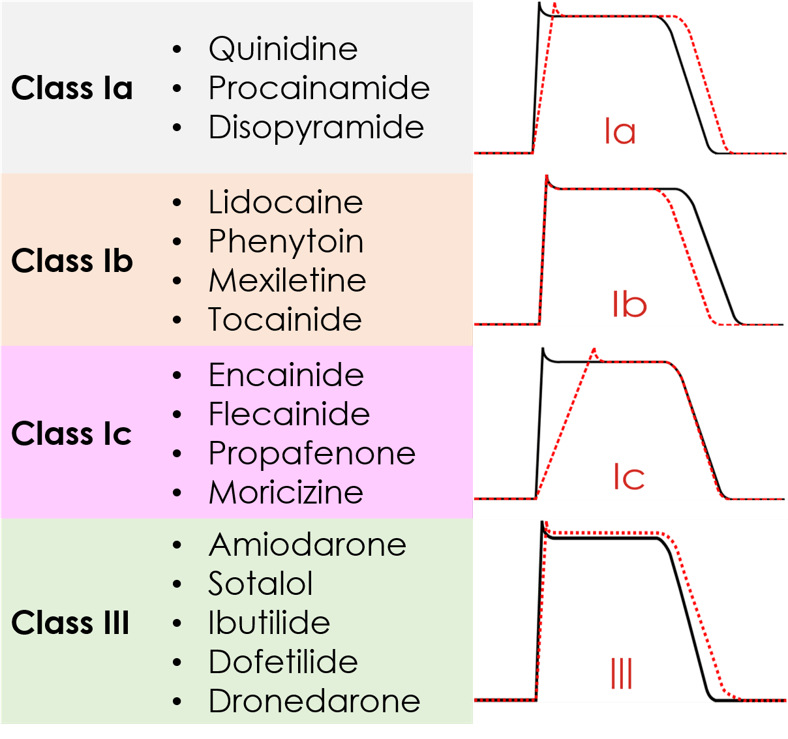
ECGcorner on Twitter "Classification of antiarrhythmic drugs (AADs

Antiarrhythmic drugs Anaesthesia & Intensive Care Medicine

Antiarrhythmic Drugs Classification Table

Cardiac Drugs Chart
Classification of antiarrhythmic drugs MEDizzy
Related Post:
