
Antifungal Coverage Chart
Antifungal Coverage Chart - Antifungal agents are also called antimycotic agents. They kill or stop fungal growth. They can fight ringworm, yeast infections and skin and nail infections. Antifungals can be topical (e.g., cream, ointment,. Antifungal drugs are a class of medications that are used to treat invasive fungal infections. They are available as creams, gels, lotions,. Antifungal drugs are used to treat fungal infections. Antifungal medicines treat fungal infections. They target processes and structures unique to fungi in order to kill fungal cells or prevent them from growing. There is a wide range of types, strengths, formulations, and uses for the. Amphotericin b has been the mainstay of antifungal therapy for invasive and serious mycoses, but other antifungals (eg, fluconazole, voriconazole, posaconazole, the echinocandins) are now. Antifungal drugs are used to treat fungal infections. There is a wide range of types, strengths, formulations, and uses for the. Topical antifungals are products that treat fungal infections and which are applied directly to. Antifungal medicines treat fungal infections. There are several types of antifungal medicines. Amphotericin b has been the mainstay of antifungal therapy for invasive and serious mycoses, but other antifungals (eg, fluconazole, voriconazole, posaconazole, the echinocandins) are now. Antifungal drugs are a class of medications that are used to treat invasive fungal infections. Antifungal drugs are the medications people use to. Antifungal drugs are used to treat fungal infections. They come as creams, sprays, powders, solutions, tablets designed to go into the vagina (pessaries), shampoos, medicines. They act on fungal cell membranes, cell walls, or nucleic acid synthesis, thereby interfering with fungal. There are several types of antifungal medicines. Antifungal drugs are a class of medications that are used to treat. They kill or stop fungal growth. Antifungal drugs are used to treat fungal infections. Amphotericin b has been the mainstay of antifungal therapy for invasive and serious mycoses, but other antifungals (eg, fluconazole, voriconazole, posaconazole, the echinocandins) are now. Antifungal agents are also called antimycotic agents. Antifungals can be topical (e.g., cream, ointment,. They come as creams, sprays, powders, solutions, tablets designed to go into the vagina (pessaries), shampoos, medicines. Topical antifungals are products that treat fungal infections and which are applied directly to the skin, nails, or hair; Antifungal drugs are agents that kill or inhibit the growth of fungi. They target processes and structures unique to fungi in order to kill. Antifungals can be topical (e.g., cream, ointment,. They kill or stop fungal growth. Amphotericin b has been the mainstay of antifungal therapy for invasive and serious mycoses, but other antifungals (eg, fluconazole, voriconazole, posaconazole, the echinocandins) are now. Antifungal drugs are the medications people use to treat fungal infections. They can fight ringworm, yeast infections and skin and nail infections. They are available as creams, gels, lotions,. There is a wide range of types, strengths, formulations, and uses for the. Amphotericin b has been the mainstay of antifungal therapy for invasive and serious mycoses, but other antifungals (eg, fluconazole, voriconazole, posaconazole, the echinocandins) are now. Antifungal drugs are a class of medications that are used to treat invasive fungal infections.. They can fight ringworm, yeast infections and skin and nail infections. They act on fungal cell membranes, cell walls, or nucleic acid synthesis, thereby interfering with fungal. People can take antifungal drugs orally, apply them topically, or administer them intravenously through. Topical antifungals are products that treat fungal infections and which are applied directly to the skin, nails, or hair;. They act on fungal cell membranes, cell walls, or nucleic acid synthesis, thereby interfering with fungal. Antifungal drugs are a class of medications that are used to treat invasive fungal infections. They can fight ringworm, yeast infections and skin and nail infections. They kill or inactivate fungi and are used to treat fungal infections (including yeast infections). They are available. Antifungal medicines treat fungal infections. There are several types of antifungal medicines. There is a wide range of types, strengths, formulations, and uses for the. Antifungals are antimicrobial medications that target fungal cell components disrupting fungal growth and survival. They can fight ringworm, yeast infections and skin and nail infections.
Antifungal Cream Chart at Leonard Gagliano blog

Does Fungal Infection Cure Itself at Andrea Mcclelland blog

Antifungal Cream Chart at Leonard Gagliano blog

Daniel Ting on Twitter "Helpful table comparing antifungal agents and

Antifungal Spectrum Of Itraconazole at Christy Sample blog

Antifungal Spectrum Of Itraconazole at Christy Sample blog
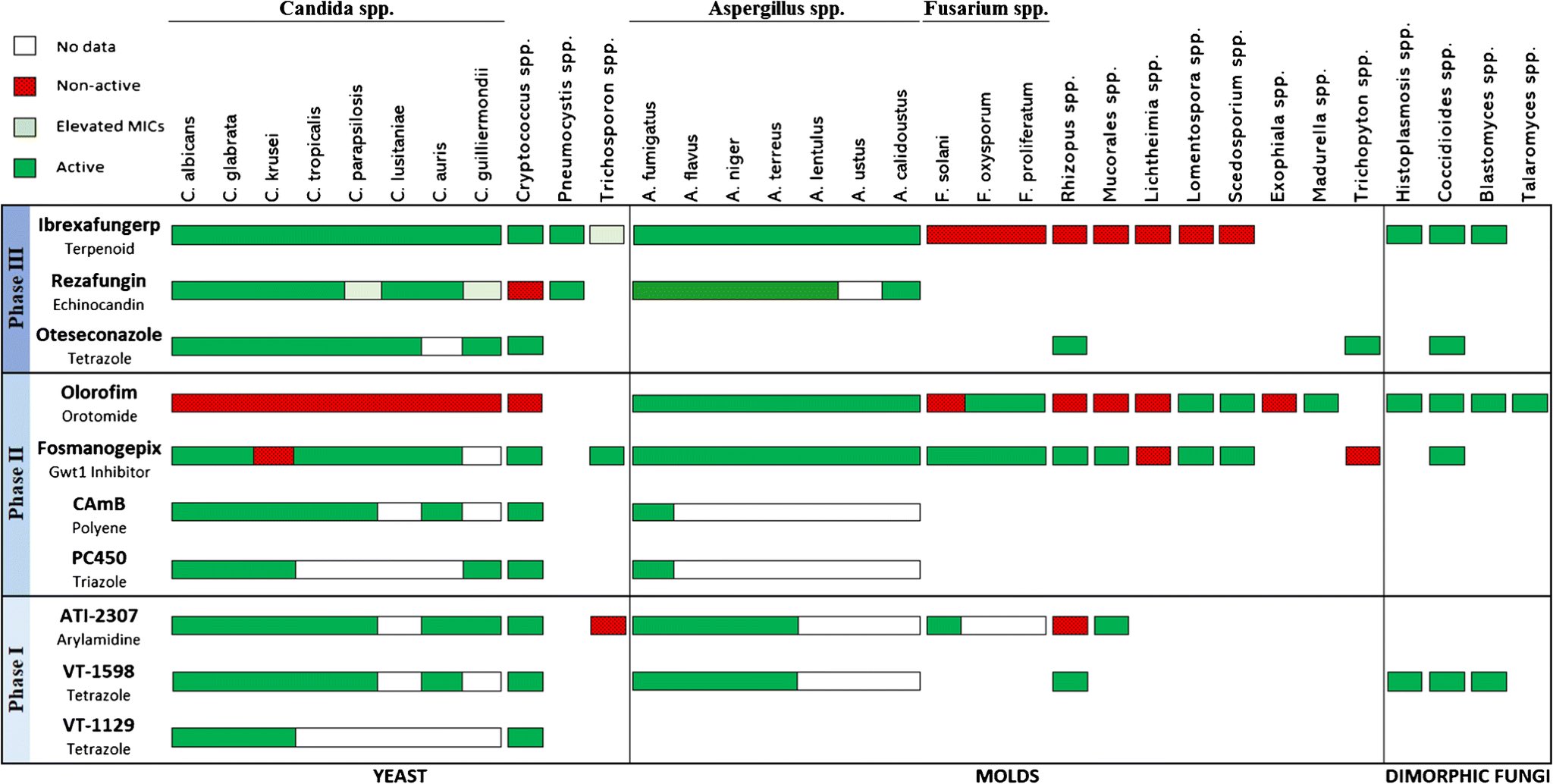
MSGERC on Twitter "Investigational Agents for the Treatment of

Antifungal Cream Chart at Leonard Gagliano blog

Antimicrobials spectrum of activity FOAMid

Antifungal Iv Infusion at Phyllis Spain blog
Related Post: