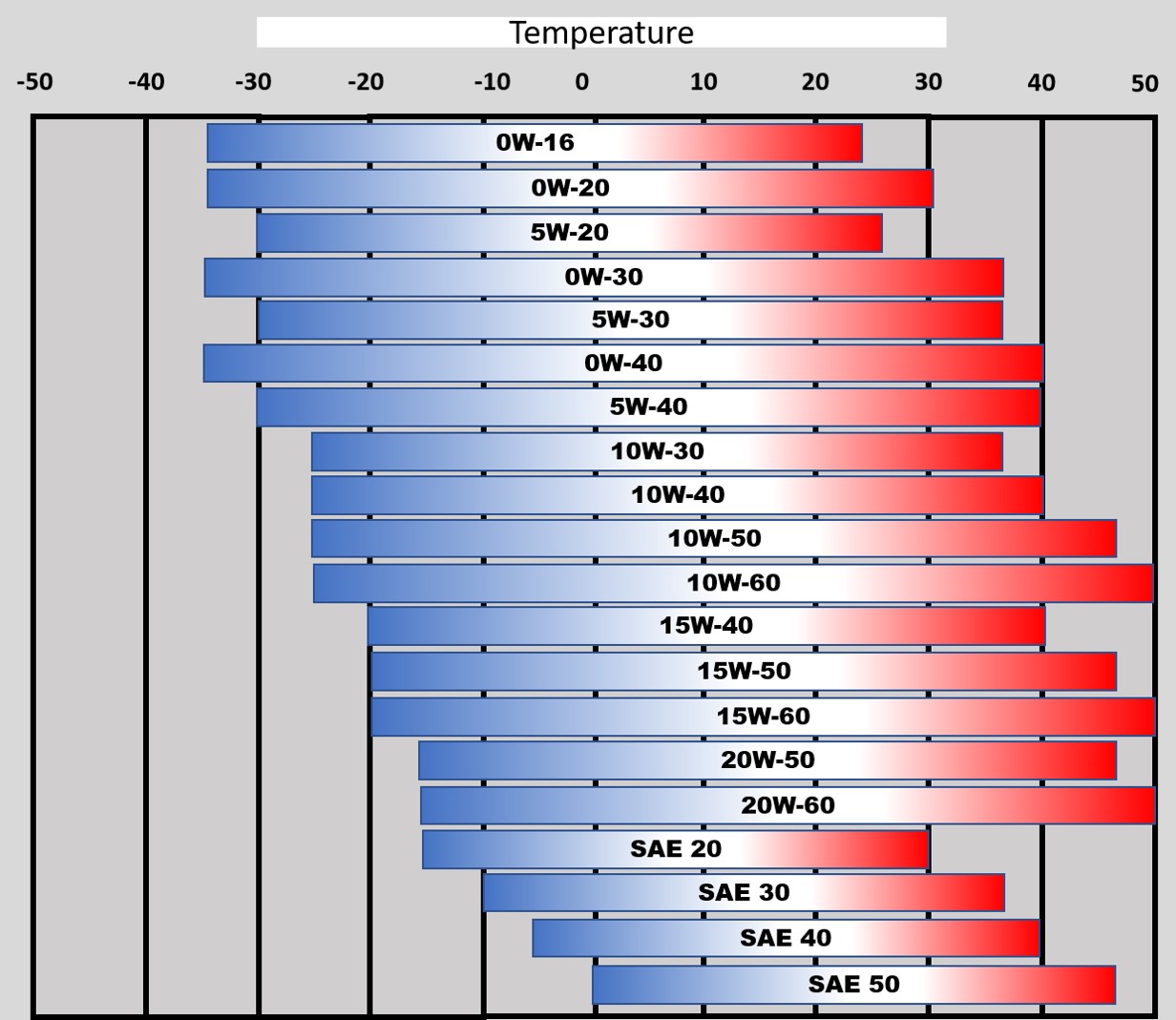
Viscosity Of Oil Chart
Viscosity Of Oil Chart - Viscosity is defined as the measure of a fluid's resistance to fluid flow under an applied force. Viscosity is the resistance of a fluid (liquid or gas) to a change in shape or movement of neighbouring portions relative to one another. You’ll also explore the reasons why viscosity is important. In this article, you will learn what viscosity is, how it is measured, and the viscosity equation of a fluid. This article explores viscosity, covering its significance, measurement methods, influencing factors, and practical applications across industries. Viscosity is a physical quantity that describes a fluid’s resistance to flow. Viscosity is defined scientifically as a force multiplied by a time divided by an area. Less viscous liquids like water and gasoline flow quickly. Viscosity is the property of any liquid which tells us how a liquid flow under the action of gravity. A fluid with a high viscosity, such as honey, flows as a slower rate than a less viscous fluid, such as water. Viscosity is defined scientifically as a force multiplied by a time divided by an area. In this article, you will learn what viscosity is, how it is measured, and the viscosity equation of a fluid. It is a property that resists the relative displacement of the different layers of the fluid. For a fluid in motion, the viscosity describes the. It tells that any liquid with a lower viscosity flows easily whereas the liquid. If i fill the same cup with water, for example, the cup will drain much more quickly. Viscosity is a measure of a. This article explores viscosity, covering its significance, measurement methods, influencing factors, and practical applications across industries. Viscosity is the resistance of a fluid. It is a property that resists the relative displacement of the different layers of the fluid. Less viscous liquids like water and gasoline flow quickly. If i fill the same cup with water, for example, the cup will drain much more quickly. You’ll also explore the reasons why viscosity is important. Viscous liquids like syrup and shampoo flow slowly. The viscosity of a liquid. In this article, you will learn what viscosity is, how it is measured, and the viscosity equation of a fluid. A fluid with a high viscosity, such as honey, flows as a slower rate than a less viscous fluid, such as water. For a fluid in motion, the viscosity describes the internal friction. Viscosity is. Viscosity is defined scientifically as a force multiplied by a time divided by an area. You’ll also explore the reasons why viscosity is important. A fluid with a high viscosity, such as honey, flows as a slower rate than a less viscous fluid, such as water. Viscous liquids like syrup and shampoo flow slowly. It tells that any liquid with. A fluid with a high viscosity, such as honey, flows as a slower rate than a less viscous fluid, such as water. Viscosity is defined scientifically as a force multiplied by a time divided by an area. This article explores viscosity, covering its significance, measurement methods, influencing factors, and practical applications across industries. It tells that any liquid with a. Less viscous liquids like water and gasoline flow quickly. In this article, you will learn what viscosity is, how it is measured, and the viscosity equation of a fluid. It tells that any liquid with a lower viscosity flows easily whereas the liquid. The viscosity of a liquid. Viscous liquids like syrup and shampoo flow slowly. Viscosity is the property of any liquid which tells us how a liquid flow under the action of gravity. It tells that any liquid with a lower viscosity flows easily whereas the liquid. Viscous liquids like syrup and shampoo flow slowly. Less viscous liquids like water and gasoline flow quickly. Viscosity is a physical quantity that describes a fluid’s resistance. Viscosity is a measure of a. It is a property that resists the relative displacement of the different layers of the fluid. The viscosity of a liquid. A fluid with a high viscosity, such as honey, flows as a slower rate than a less viscous fluid, such as water. Less viscous liquids like water and gasoline flow quickly. Viscosity is a fluid's resistance to flow. You’ll also explore the reasons why viscosity is important. Viscosity is a measure of a. Less viscous liquids like water and gasoline flow quickly. Viscosity is a physical quantity that describes a fluid’s resistance to flow.Oil Viscosity Chart Guide to Selecting the Right Oil
Viscosity Grade Comparison Chart

Oil Viscosity Grade Chart

Viscosity Chart For Oil

Understanding The Viscosity Grade Chart
Oil Viscosity Chart Guide to Selecting the Right Oil

Oil viscosity chart delightryte

Viscosity Index Chart Conversion

Oil Viscosity Comparison Chart ISO VG, AGMA, SAE Gear, SAE
Oil Viscosity Chart Guide to Selecting the Right Oil
Related Post: